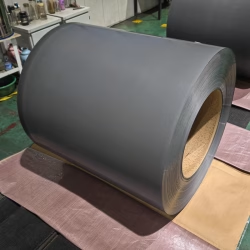
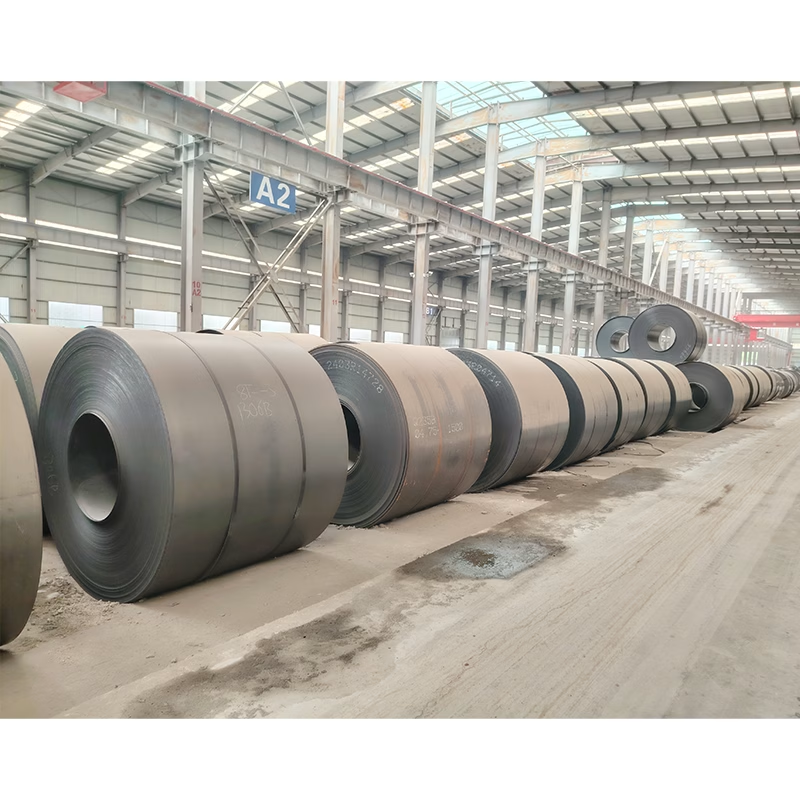
The carbon steel coil price in 2024 is shaped by a complex interplay of global market forces, production dynamics, and regulatory shifts. Whether you’re sourcing hot rolled carbon steel coil, cold rolled carbon steel coil, or specialty grades like high carbon steel coil or low carbon steel coil, understanding these drivers is critical for strategic procurement. Below, we break down the top 5 factors, augmented with tools like a carbon steel coil calculator and insights into carbon steel coil HS code compliance.
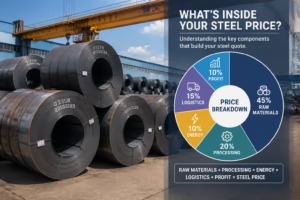
1. Raw Material & Energy Costs
The foundation of carbon steel coil pricing lies in raw materials and energy—two highly volatile inputs:
- Iron ore & scrap metal: Prices for iron ore (tracked via TradingEconomics) and scrap metal fluctuate with mining disruptions, recycling rates, and global demand. For example, A36 carbon steel coil (a structural grade) is heavily tied to bulk iron ore trends, while SAE carbon steel coil (used in precision engineering) is sensitive to alloy scrap costs.
- Energy expenses: Steel mills rely on coal (for coke) and electricity. In 2024, rising natural gas prices and carbon taxes (e.g., EU’s carbon border levy) have inflated costs, especially for high carbon steel coil production. Regions with renewable energy grids (e.g., Scandinavia) see more stable pricing for low carbon steel coil.
2. Supply Chain & Logistics
Global shipping bottlenecks and trade barriers continue to disrupt carbon steel coil suppliers:
- Freight & tariffs: Container shipping rates and import duties (e.g., U.S. Section 232 tariffs) add 10–15% to landed costs for overseas carbon steel coil manufacturers.
- HS Code compliance: Proper classification (e.g., 7219.34.00 for cold-rolled coils) avoids customs delays. Misclassification can lead to fines, especially for hot rolled carbon steel coil (HS code variations by thickness).
- Regional shortages: Local production gaps (e.g., Asia’s Q2 2024 mill maintenance) drive up prices for cold rolled carbon steel coil in export markets.
Pro Tip: Use our carbon steel coil calculator to factor in freight, tariffs, and duties for accurate budgeting.
3. Production Technology & Efficiency
Manufacturing processes directly impact costs, with clear divides between grades:
- Hot rolled carbon steel coil: Lower cost due to fewer processing steps (rolled at high temperatures), but with rougher surfaces—ideal for structural uses.
- Cold rolled carbon steel coil: Pricier due to post-rolling treatments (annealing, tempering) that improve precision, making it key for appliances and automotive parts.
- EAF vs. Blast Furnaces: Electric Arc Furnaces (EAFs), which use scrap metal, are more cost-volatile than blast furnaces (iron ore-based). The World Steel Association notes EAF adoption is rising, shifting low carbon steel coil pricing dynamics.
4. Market Demand by Industry
Different sectors drive demand for specific grades, creating pricing disparities:
| Industry | Steel Type | 2024 Demand Trend |
|---|---|---|
| Construction | A36 carbon steel coil | Up 5% YoY (infrastructure) |
| Automotive | SAE carbon steel coil | High (EV chassis, body panels) |
| Appliances | Cold rolled carbon steel coil | Moderate (smart home growth) |
| Energy | High carbon steel coil | Rising (wind turbine shafts) |
Weakness in one sector (e.g., European construction) can offset strength in another (e.g., U.S. auto production), stabilizing overall carbon steel coil price trends.
5. Policy & Regulatory Shifts
Government actions shape market behavior for carbon steel coil manufacturers:
- Carbon regulations: The EU’s carbon border tax (CBAM) raises costs for high carbon steel coil imports, favoring low-emission producers.
- Subsidies: China’s export rebates for hot rolled carbon steel coil have created global oversupply, pressuring prices in 2024.
- Local content rules: India’s “Make in India” policy requires 50% domestic steel in projects, boosting demand for local carbon steel coil suppliers.
How to Navigate 2024 Prices
- Source strategically: Partner with carbon steel coil suppliers with diversified mills (e.g., Zhongtang Metal’s global network) to mitigate regional risks.
- Bulk buying: Lock in rates for cold rolled carbon steel coil or A36 carbon steel coil with quarterly contracts.
- Leverage tools: Use our calculator and HS code guide to avoid overpaying.
FAQs
- Q: What’s the HS code for my coil?
A: Depends on type—e.g., 7219.13 for hot-rolled, 7219.34 for cold-rolled. Check our full list → - Q: How do I compare quotes from suppliers?
A: Use the carbon steel coil calculator to standardize metrics like weight, thickness, and delivery terms.