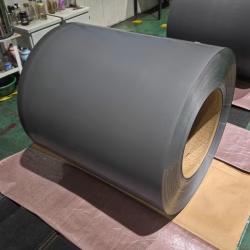
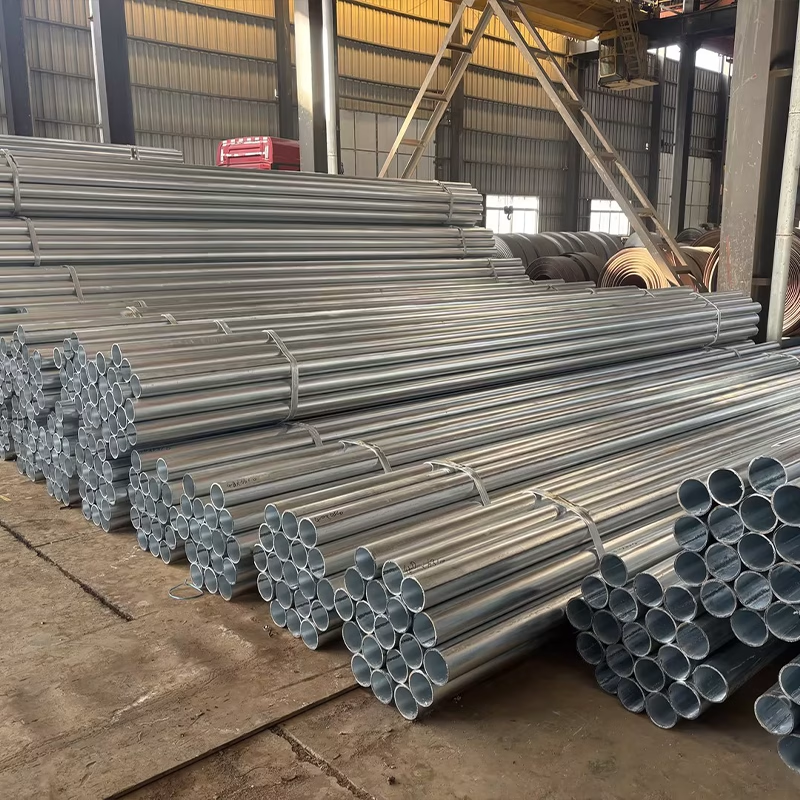
Galvanized steel pipe has long been a cornerstone in construction, plumbing, and industrial applications, prized for its durability, corrosion resistance, and versatility. Created through a process where steel is coated with a layer of zinc—often via hot-dip galvanization—these pipes offer exceptional longevity, even in harsh environments. In this guide, we’ll explore everything from galvanized steel pipe uses and sizes to prices and key specifications, helping you make informed decisions for your project.
What Is Galvanized Steel Pipe?
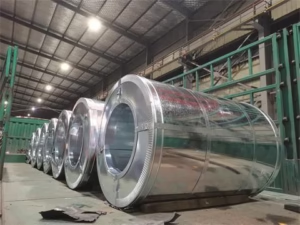
Galvanized steel pipe is a type of steel pipe treated with a protective zinc coating to prevent rust and corrosion. The most common method is hot dip galvanized steel pipe, where the pipe is submerged in a bath of molten zinc, forming a metallurgical bond that adheres tightly to the steel surface. This process distinguishes it from other types like galvanized carbon steel pipe or galvanized mild steel pipe, which use similar galvanization techniques but vary in base steel composition (carbon content, strength, etc.).
The zinc coating acts as a sacrificial layer: if the pipe is scratched or damaged, the zinc corrodes first, protecting the underlying steel. This makes galvanized pipes ideal for outdoor, wet, or high-moisture environments.
Applications: Where Galvanized Steel Pipe Shines
Galvanized steel pipe’s versatility makes it indispensable across industries:
1. Water Systems
Galvanized steel pipe for water is a classic choice for both residential and commercial plumbing. Its corrosion resistance ensures safe, long-term water transport, though modern codes may specify it for non-potable systems in some regions. For potable use, check local regulations, as older galvanized pipes can accumulate mineral deposits over time.
2. Construction & Infrastructure
From scaffolding to structural supports, galvanized pipes provide strength and weather resistance. They’re also used in fencing, handrails, and outdoor frameworks, where exposure to rain, snow, or humidity would quickly degrade uncoated steel.
3. Industrial Settings
In factories and manufacturing plants, galvanized pipes transport chemicals, gases, and waste. Their durability stands up to heavy use and industrial contaminants.
4. Agricultural Uses
Farmers rely on galvanized pipes for irrigation systems, livestock enclosures, and equipment frames, as they withstand exposure to soil, water, and manure.
Sizes, Specifications, and Standards
Galvanized steel pipes come in a range of sizes and specifications to suit diverse needs. Common diameters include:
- 1 inch galvanized steel pipe (and 1 galvanized steel pipe) for small-scale plumbing and DIY projects.
- 2 galvanized steel pipe for residential water lines and medium-duty applications.
- 3 galvanized steel pipe and 4 galvanized steel pipe for commercial plumbing, irrigation, and industrial systems.
A key specification is schedule 40 galvanized steel pipe, a popular choice for its balance of thickness and weight. Schedule 40 galvanized steel pipe specifications (per ASTM A53 standards) include a wall thickness of 0.216 inches for 2-inch pipes, with higher pressure ratings than thinner schedules like Schedule 10.
For precise sizing, refer to standards set by organizations like ASTM International, which outlines manufacturing and performance criteria for galvanized steel pipes.
Fittings and Sleeves: Completing the System
No galvanized pipe system is complete without galvanized steel pipe fittings and galvanized steel pipe sleeves. Fittings (elbows, tees, couplings) connect pipes at angles or junctions, ensuring a secure, leak-free system. Sleeves protect pipes from damage during installation or in high-traffic areas, adding an extra layer of durability.
Like pipes, fittings undergo galvanization to match the system’s corrosion resistance. When selecting fittings, ensure they’re compatible with your pipe size and schedule—for example, Schedule 40 fittings pair with Schedule 40 pipes for optimal performance.
Galvanized Steel Pipe Price: What Affects Cost?
Galvanized steel pipe price varies based on several factors:
- Size and thickness: Larger diameters (e.g., 4-inch) or thicker schedules (e.g., Schedule 40) cost more due to increased material usage.
- Quantity: Bulk orders often qualify for discounts.
- Zinc coating thickness: Heavier coatings (common in hot-dip processes) may raise costs but enhance longevity.
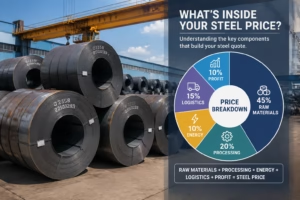
- Market conditions: Steel and zinc prices fluctuate with global supply and demand.
For up-to-date pricing on all sizes—from 1-inch to 4-inch, including Schedule 40 options—visit Zhongtang Metal, where you’ll find competitive rates for both standard and custom orders.
Why Choose Galvanized Steel Pipe?
Compared to uncoated steel or PVC, galvanized steel pipes offer:
- Longevity: A typical lifespan of 50+ years in mild environments, outlasting many alternatives.
- Strength: Higher pressure tolerance than PVC, making them suitable for industrial use.
- Cost-effectiveness: Lower long-term maintenance costs due to corrosion resistance.
As noted by the American Iron and Steel Institute (AISI), galvanized steel’s low lifecycle cost and recyclability also make it an eco-friendly choice.
Conclusion
Whether you’re installing a water system, building infrastructure, or tackling an industrial project, galvanized steel pipe delivers reliability and performance. From hot dip galvanized steel pipe to schedule 40 specifications, understanding your options ensures you select the right product for the job.
For high-quality galvanized steel pipes, fittings, and expert guidance, explore Zhongtang Metal. Our range includes all sizes—1 inch, 2 inch, 3 inch, 4 inch—and specifications to meet your project’s unique needs.