Hebei Launches National Pilot for Steel Carbon Footprint Certification
Hebei Province, China’s largest steel-producing region, recently launched a national pilot program for steel product carbon footprint certification in Handan. This initiative underscores China’s commitment to reducing emissions and advancing green transformation in the steel sector. The program will help standardize carbon accounting and promote low-carbon steel production (Xinhua).
Rising Steel Inventories Reflect Subdued Demand
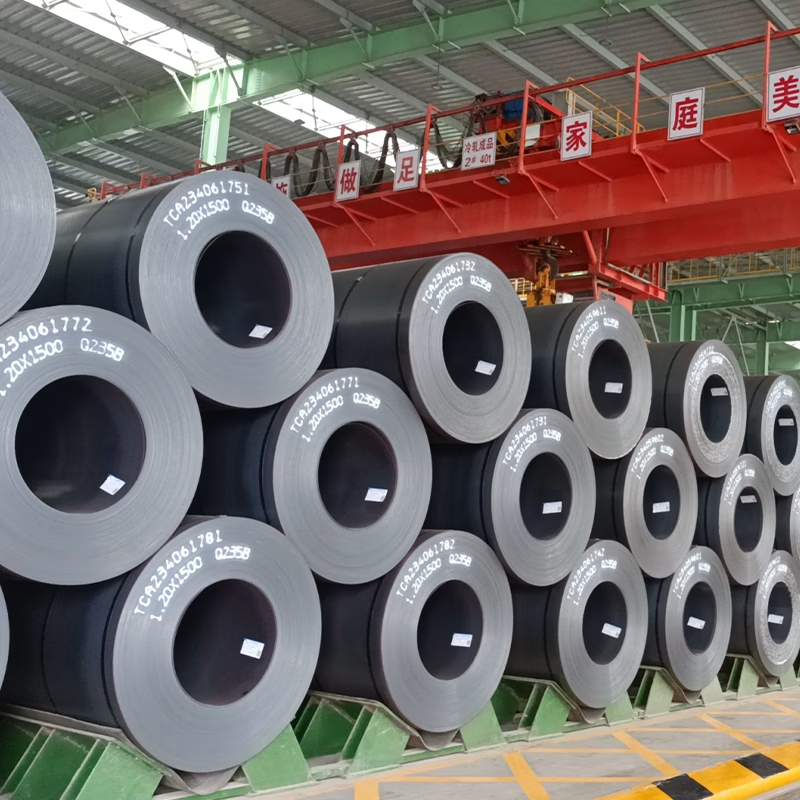
According to the China Iron and Steel Association (CISA), social inventories of steel in 21 cities reached 9.2 million tons in early September, a 4.2% increase from the previous month. Year-to-date stocks have risen by 39.6%, indicating weaker-than-expected downstream demand despite seasonal recovery efforts. CISA also announced that the industry’s “15th Five-Year Plan” technology roadmap will be released by end-2024, outlining key pathways for decarbonization and innovation (CISA).
Global Decarbonization Efforts Accelerate
Beyond China, 13 Indonesian steel companies have completed their decarbonization plans, signaling a broader global shift toward sustainable steel production. This aligns with increasing international pressure and regulatory demands for greener industrial practices (Reuters).
Iron Ore Market: Record Shipments but Lower Profits
Fortescue Metals Group, the world’s fourth-largest iron ore producer, achieved record shipments of 198.4 million tons in FY2025. However, net profits fell 41% due to declining iron ore prices. The company remains highly dependent on the Chinese market, having exported over 2 billion tons of iron ore to China to date. In a landmark move, Fortescue secured a RMB 14.2 billion syndicated loan—the first such financing by an Australian company (Fortescue).
Infrastructure and Policy Support for Steel Demand
China’s infrastructure sector continues to bolster steel demand. From January to August 2024, national railway fixed-asset investment grew 5.6% year-on-year to RMB 504 billion, supporting steady consumption of steel products (National Railway Administration).
Additionally, the Chinese government introduced policies to stimulate key steel-consuming sectors:
-
The automotive industry aims for 32.3 million vehicle sales in 2025, a 3% year-on-year increase (MIIT).
-
Property market measures include higher mortgage loan limits, subsidies for multi-child families, and increased purchasing incentives (The State Council).
Commercial Real Estate Challenges
Despite policy support, commercial real estate vacancies in Shanghai rose to 24.6% in Q2 2024, reflecting ongoing challenges in the construction sector and potentially dampening steel demand (E-house China).
Global Macroeconomic Influences
The U.S. Federal Reserve is widely expected to cut interest rates by 25 basis points this week, potentially easing global financial conditions and supporting commodity markets (CME FedWatch). Meanwhile, recent U.S.-China trade talks in Madrid could further shape international steel and raw material trade dynamics (Bloomberg).
How Zhongtang Metal Supports Sustainable Steel Sourcing
At Zhongtang Metal, we prioritize sustainability and quality in our steel products. As the industry evolves toward decarbonization, we remain dedicated to providing reliable, high-grade steel solutions while supporting our partners with insights and expertise.
For more updates on steel market trends and decarbonization efforts, visit Zhongtang Metal.
Keywords: steel industry decarbonization, steel carbon footprint certification, steel market demand, iron ore prices, steel inventory trends, infrastructure steel demand, Zhongtang Metal.
This article integrates authoritative sources for accuracy. For more insights on steel markets and decarbonization, visit Zhongtang Metal.