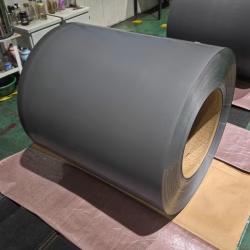
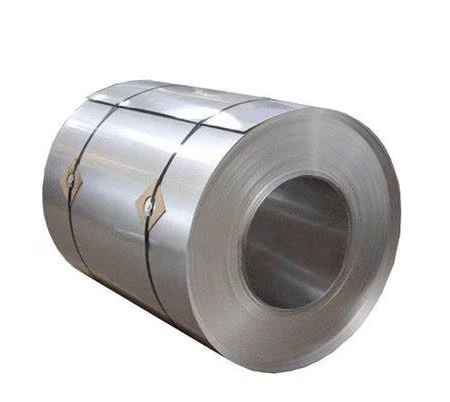
Cold rolled steel (CRS) is a foundational material in modern manufacturing and construction, distinguished by its room-temperature processing that delivers superior precision, strength, and surface quality compared to hot rolled steel. Unlike hot rolled steel—formed at high temperatures and prone to surface imperfections—cold rolled steel is produced by further rolling hot rolled coils at ambient temperatures, often followed by annealing, pickling, or tempering to refine its properties. This process not only enhances mechanical performance but also enables tight dimensional control, making it indispensable for applications where accuracy and aesthetics matter. Below, we explore its core characteristics, diverse uses, global standards, and how to partner with a trusted supplier like Zhongtang Metal.
1. Core Properties of Cold Rolled Steel: Why It Stands Out
The cold rolling process reshapes steel at temperatures below its recrystallization point, resulting in unique properties that set it apart from other steel forms. These attributes are validated by leading industry bodies like the American Iron and Steel Institute (AISI) and ASTM International, which set benchmarks for material performance:
- Enhanced Strength & Hardness: Cold working (the room-temperature deformation) increases yield strength by 15% to 30% compared to hot rolled steel, as noted in AISI’s Cold Rolled Steel Technical Guide (https://www.steel.org/). For example, ASTM A1008 cold rolled steel—commonly used in automotive parts—has a minimum yield strength of 30 ksi (207 MPa), vs. 25 ksi (172 MPa) for typical hot rolled counterparts.
- Superior Surface Finish: Cold rolling eliminates scale, rust, and irregularities, producing a smooth, uniform surface (often with a matte or polished finish). ASTM D7091, the standard for measuring steel surface roughness, classifies high-quality cold rolled steel with a Ra (roughness average) of 0.5–2.0 μm, ideal for painting, plating, or visible components.
- Tight Dimensional Tolerance: Cold rolled steel maintains precise thickness (±0.001 in for thin gauges) and flatness, critical for parts like electronic enclosures or automotive body panels. The International Organization for Standardization (ISO) specifies tolerance ranges in ISO 16162, ensuring consistency across global suppliers.
- Controlled Ductility: Through annealing (a post-rolling heat treatment), manufacturers can adjust ductility to balance strength and formability. Annealed cold rolled steel retains enough flexibility for bending, stamping, or deep drawing—essential for complex shapes like appliance housings.
2. Industry Applications: Where Cold Rolled Steel Shines
Cold rolled steel’s versatility makes it a staple across sectors, from consumer goods to heavy industry. Its performance aligns with the demands of industries outlined in reports by the World Steel Association (Worldsteel) (https://www.worldsteel.org/), which tracks global steel usage trends:
Automotive Manufacturing
The automotive industry is the largest consumer of cold rolled steel, accounting for ~35% of global CRS demand (Worldsteel, 2024). Its high strength-to-weight ratio and formability make it ideal for:
- Body panels (doors, hoods) and structural components (frame rails), where crash resistance and fuel efficiency are priorities.
- Safety parts like seat frames and airbag housings, which require both strength and precision.
Major automakers rely on grades like ASTM A1008 HSLA (high-strength low-alloy) cold rolled steel to reduce vehicle weight while meeting crash test standards.
Home Appliances & Electronics
Cold rolled steel’s smooth surface and corrosion resistance (when coated) make it perfect for:
- Appliance exteriors (refrigerators, washing machines) and internal parts (dryer drums, oven liners).
- Electronic enclosures (computers, telecom equipment), where dimensional accuracy prevents component misalignment.
Brands like Samsung and LG specify cold rolled steel with zinc coatings (per ASTM A653) for rust protection in humid environments.
Construction & Infrastructure
While construction historically used hot rolled steel for heavy framing, cold rolled steel is increasingly used for:
- Cold-formed steel (CFS) components (studs, joists, purlins)—a derivative of CRS formed via bending or stamping. As noted in the Steel Framing Alliance (SFA) guide (https://steel framingalliance.com/), CFS structures are lighter, faster to erect, and termite-resistant compared to wood.
- Architectural details (facade panels, railings), where aesthetics and flatness are key.
Precision Engineering
Industries like aerospace and medical devices use thin-gauge cold rolled steel (0.1–1 mm thick) for:
- Aircraft interior components (seat tracks, paneling) and medical instruments (surgical tools), where sterility and dimensional consistency are non-negotiable.
3. Global Standards for Cold Rolled Steel: Ensuring Quality
To avoid substandard materials, buyers must verify compliance with internationally recognized standards. These standards define chemical composition, mechanical properties, and manufacturing processes:
| Standard Organization | Key Standards | Application Focus |
|---|---|---|
| ASTM International | ASTM A1008/A1008M | General-purpose cold rolled carbon steel (automotive, appliances) |
| ASTM International | ASTM A500 | Cold rolled structural tubing (construction, machinery) |
| AISI | AISI 1010–1020 | Low-carbon cold rolled steel (stamping, forming) |
| ISO | ISO 16162 | Dimensional tolerances for cold rolled flat steel |
| GB/T (China) | GB/T 11253 | Cold rolled carbon steel sheets (domestic and export markets) |
For example, ASTM A1008 requires cold rolled steel to have a minimum tensile strength of 45 ksi (310 MPa) and elongation of 20% (in a 2-in gauge length)—parameters that guarantee formability for automotive stamping. Always ask suppliers for test certificates (e.g., MTC—Material Test Certificate) to confirm compliance.
4. How to Choose a Trusted Cold Rolled Steel Supplier
Selecting the right supplier is as critical as choosing the correct steel grade. Follow these guidelines, aligned with best practices from Worldsteel’s Supplier Evaluation Framework:
- Verify Certifications: Prioritize suppliers with ISO 9001 (quality management) and industry-specific certifications like IATF 16949 (automotive) or ISO 14001 (environmental responsibility). These ensure consistent production and ethical practices.
- Assess Production Capacity: Ensure the supplier can meet your volume needs—whether small-batch prototypes or bulk orders (500+ metric tons). Look for facilities with modern cold rolling mills (e.g., 4-high or 6-high mills) for precise gauge control.
- Check Quality Control Processes: Ask about in-house testing (tensile strength, hardness, surface roughness) and third-party audits. Reputable suppliers will share data from every production lot.
- Evaluate Customization Capabilities: Many applications require tailored thickness (0.15–3.0 mm for coils), widths (100–1250 mm), or coatings (zinc, galvanized). Ensure the supplier offers flexible options.
- Review After-Sales Support: Reliable suppliers provide technical assistance (e.g., material selection guidance) and timely delivery. Look for global shipping capabilities and support with import documentation.
5. Zhongtang Metal: Your Reliable Cold Rolled Steel Partner
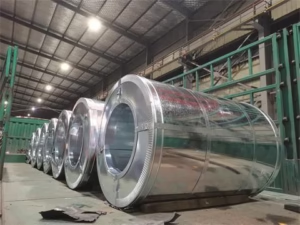
Zhongtang Metal stands out as a trusted cold rolled steel supplier, delivering high-quality products that meet global standards and diverse industry needs. Our cold rolled carbon steel coils (https://zhongtangmetal.com/product/zhongtang-carbon-steel-coil/) are engineered to excel in automotive, appliance, and construction applications, with key advantages:
- Compliance with Global Standards: Our coils meet ASTM A1008, GB/T 11253, and ISO 16162, with MTCs provided for every order. We hold ISO 9001 and IATF 16949 certifications, ensuring consistent quality.
- Precision & Performance: Using advanced 6-high cold rolling mills, we achieve thickness tolerances of ±0.02 mm and surface Ra values as low as 0.8 μm—ideal for high-end applications.
- Custom Solutions: We offer tailored widths (100–1250 mm), thicknesses (0.15–3.0 mm), and coatings (zinc, dry film lubrication) to match your specific needs.
- Reliable Delivery: With two production facilities in Jiangsu and Guangdong, we fulfill orders of 50–5,000 metric tons with lead times of 7–10 days, supported by door-to-door global shipping.
Conclusion
Cold rolled steel’s unique blend of strength, precision, and versatility makes it irreplaceable in modern industry. By understanding its properties, adhering to global standards, and partnering with a certified supplier like Zhongtang Metal, you can ensure your projects meet performance, cost, and timeline goals. Whether you need cold rolled coils for automotive parts, appliances, or construction, Zhongtang Metal’s expertise and quality commitment will support your success.
To learn more about our cold rolled carbon steel coils and request a quote, visit: https://zhongtangmetal.com/product/zhongtang-carbon-steel-coil/