When selecting steel for industrial, construction, or manufacturing projects, two popular options often stand out: galvanized steel and prepainted steel. Each offers unique advantages in terms of durability, aesthetics, and cost, making them suitable for distinct applications. This guide breaks down their differences to help you decide which is right for your needs.
What Are Galvanized and Prepainted Steel?
Galvanized Steel
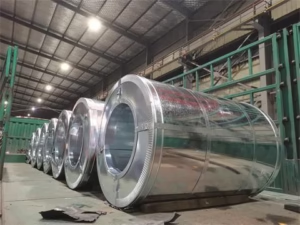
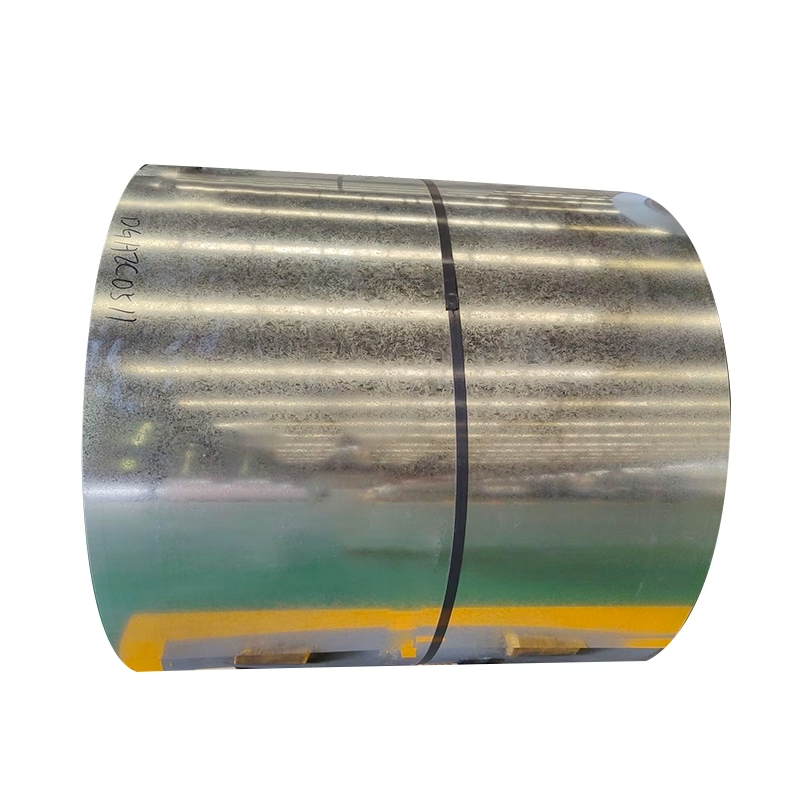
Galvanized steel is carbon steel coated with a layer of zinc to protect against corrosion. The zinc acts as a sacrificial anode, meaning it corrodes first to shield the underlying steel from rust and degradation. Common galvanizing methods include hot-dip galvanizing (submerging steel in molten zinc) and electro-galvanizing (applying zinc via an electrochemical process).
Explore our galvanized steel products to see specifications and applications.
Prepainted Steel
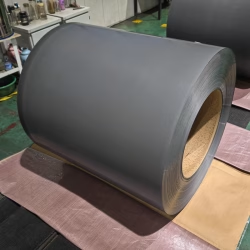
Prepainted steel (also called coil-coated steel) is galvanized or cold-rolled steel that undergoes an additional coating process: a layer of paint or film is applied to one or both sides before the steel is formed into final products. This coating enhances both corrosion resistance and aesthetic appeal, with a wide range of colors and finishes available.
Browse our prepainted steel collection for color options and technical details.
Key Differences at a Glance
| Feature | Galvanized Steel | Prepainted Steel |
|---|---|---|
| Coating | Zinc layer (no paint) | Zinc layer + paint/film coating |
| Corrosion Resistance | Excellent (zinc barrier) | Superior (zinc + paint double protection) |
| Aesthetics | Matte gray zinc finish (industrial look) | Custom colors/finishes (smooth, glossy, or textured) |
| Durability | Resistant to scratches (zinc is hard) | Paint may chip if scratched deeply |
| Cost | Lower upfront cost | Higher upfront cost (due to extra coating) |
| Common Uses | Structural frames, pipes, outdoor hardware | Building facades, roofing, appliances, automotive parts |
Detailed Comparison
1. Corrosion Resistance
- Galvanized Steel: The zinc coating provides reliable protection in wet or humid environments, such as outdoor structures or marine applications. It performs well in moderate climates but may corrode faster in highly acidic or salty conditions (e.g., coastal areas).
- Prepainted Steel: The combination of zinc and paint creates a dual barrier, making it ideal for harsh environments like industrial zones or coastal regions. The paint layer also resists UV damage, preventing fading and extending lifespan.
2. Aesthetics and Customization
- Galvanized Steel: Its natural zinc finish has a utilitarian, industrial appearance, which works well for structural components where looks are secondary to function (e.g., support beams, fencing).
- Prepainted Steel: Available in hundreds of colors (from standard whites to custom hues) and finishes (matte, glossy, metallic), it’s designed for visible applications. Architects often use it for building exteriors or decorative panels.
3. Durability and Maintenance
- Galvanized Steel: The zinc coating is tough and scratch-resistant, requiring minimal maintenance. If the coating is damaged, the surrounding zinc will still protect the exposed steel (called “cathodic protection”).
- Prepainted Steel: The paint layer is durable but can chip or peel if subjected to heavy impacts. Scratches that expose the steel may lead to rust, so regular inspections and touch-ups are recommended for high-wear areas.
4. Cost Considerations
- Galvanized Steel: More budget-friendly upfront, making it a popular choice for large-scale projects where aesthetics are not critical (e.g., infrastructure, shipping containers).
- Prepainted Steel: Higher initial costs are offset by longer lifespan and reduced maintenance in decorative or high-visibility applications. For example, prepainted roofing may avoid repainting costs over 10–15 years.
Which Should You Choose?
Choose Galvanized Steel If:
- Your project prioritizes cost over aesthetics (e.g., structural frames, industrial pipes).
- You need reliable corrosion resistance in moderate environments.
- The steel will be hidden from view or painted later (galvanized steel accepts paint well if cleaned properly).
Choose Prepainted Steel If:
- Aesthetics matter (e.g., building facades, retail displays, or branded appliances).
- The steel will be exposed to harsh conditions (coastal areas, industrial zones) and needs maximum corrosion protection.
- You want to avoid post-installation painting or finishing work.
Industry-Specific Recommendations
| Industry | Recommended Type | Reason |
|---|---|---|
| Construction | Prepainted Steel | Custom colors enhance building design; dual protection resists weathering. |
| Agriculture | Galvanized Steel | Cost-effective for barns, fences, and equipment; withstands manure and moisture. |
| Appliances | Prepainted Steel | Smooth, colored finishes match kitchen/bath designs; resists fingerprints. |
| Marine/Coastal | Prepainted Steel | Superior resistance to saltwater corrosion compared to galvanized steel. |
FAQs
Q: Can galvanized steel be painted?
A: Yes, but it requires surface preparation (cleaning and etching) to ensure paint adhesion. Prepainted steel eliminates this step.
Q: How long do they last?
A: Galvanized steel lasts 20–50 years in rural areas; prepainted steel can last 30–40 years with proper maintenance.
Q: Is prepainted steel recyclable?
A: Yes, the paint and zinc layers are removed during recycling, and the steel is reused like other steel products.
Conclusion
Galvanized steel is a cost-effective, durable choice for functional, industrial applications, while prepainted steel offers superior aesthetics and protection for visible, high-performance projects. Consider your budget, environment, and design needs to decide—both are reliable options when used correctly.
Need help selecting? Contact our steel specialists for personalized advice, or compare our galvanized vs. prepainted steel options side-by-side.
You Might Also Like:
- Hot-Rolled vs Cold-Rolled Steel Coils: How to Choose
- The Ultimate Guide to Steel Coating Methods
- 5 Factors to Consider When Buying Steel for Outdoor Use
Optimized Keywords: galvanized vs prepainted steel, which is better galvanized or prepainted steel, prepainted steel uses, galvanized steel applications, steel coating comparison