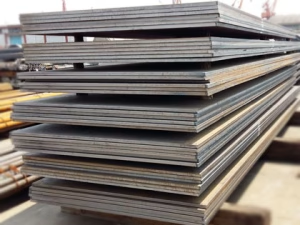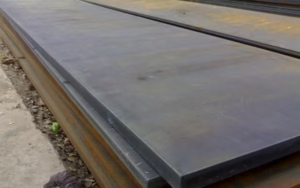
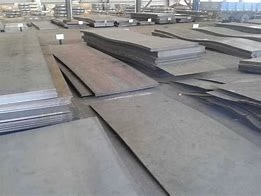
Carbon steel plates are versatile materials widely used across industries, valued for their adaptability, strength, and cost-effectiveness. As a leading provider in the field, Zhongtang offers a comprehensive range of carbon steel plates to meet diverse industrial needs. This guide explores their classifications, key features, specifications, and practical applications, helping you understand their role in modern manufacturing and construction.
I. Definition and Basic Composition of Carbon Steel Plates
Carbon steel plates are defined as steel with minimal alloying elements. Their primary components include carbon (C), manganese (Mn), phosphorus (P), sulfur (S), and silicon (Si), with no specified minimum limits for additional elements like aluminum (Al), chromium (Cr), nickel (Ni), molybdenum (Mo), or vanadium (V).
The carbon content, ranging from 0.05% to 2.0%, is the key factor influencing hardness, strength, and overall performance. At Zhongtang, strict control over these compositions ensures consistent quality across all products.
II. Classification by Carbon Content
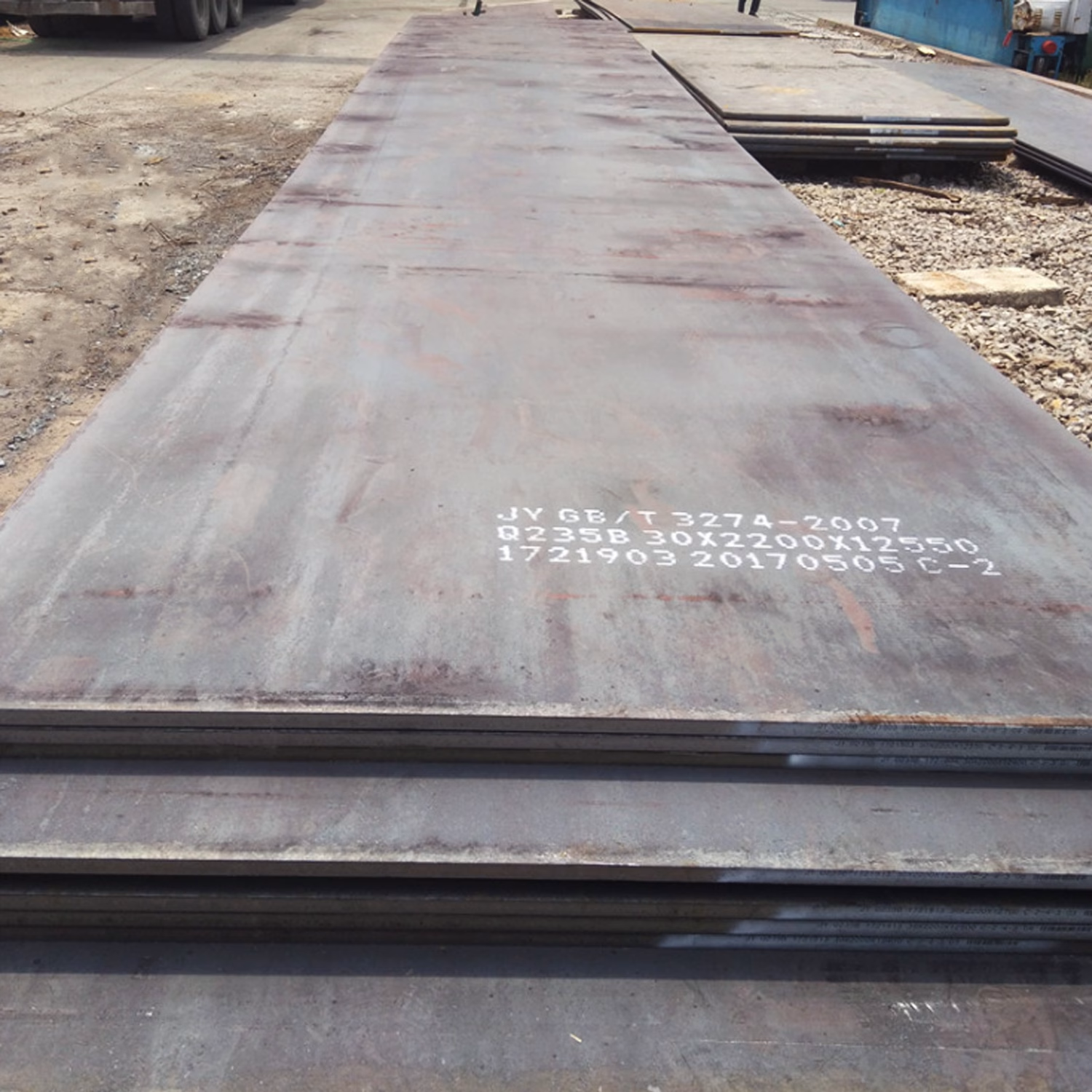
Carbon steel plates are categorized into three main types based on their carbon content, each with distinct properties—all available at Zhongtang:
-
Low Carbon Steel Plates (Mild Steel Plates)
Carbon content: 0.06% to 0.25%. Known for excellent weldability and ductility, they are ideal for structural applications. Zhongtang provides a wide range of mild steel plates tailored to construction needs. -
Medium Carbon Steel Plates
Carbon content: 0.25% to 0.55%. They balance strength and toughness, making them suitable for parts requiring moderate hardness and wear resistance, such as machinery components. Zhongtang’s medium carbon steel plates feature precise carbon control for industrial machinery. -
High Carbon Steel Plates (Hard Steel Plates)
Carbon content: 0.55% to 1.0%. Offering high hardness and wear resistance (though lower ductility), they are commonly used in tools, springs, and cutting implements. Zhongtang supplies high-quality hard steel plates for demanding applications.
Note: As carbon content increases, the hardness of the steel plate increases proportionally.
III. Classification by Application
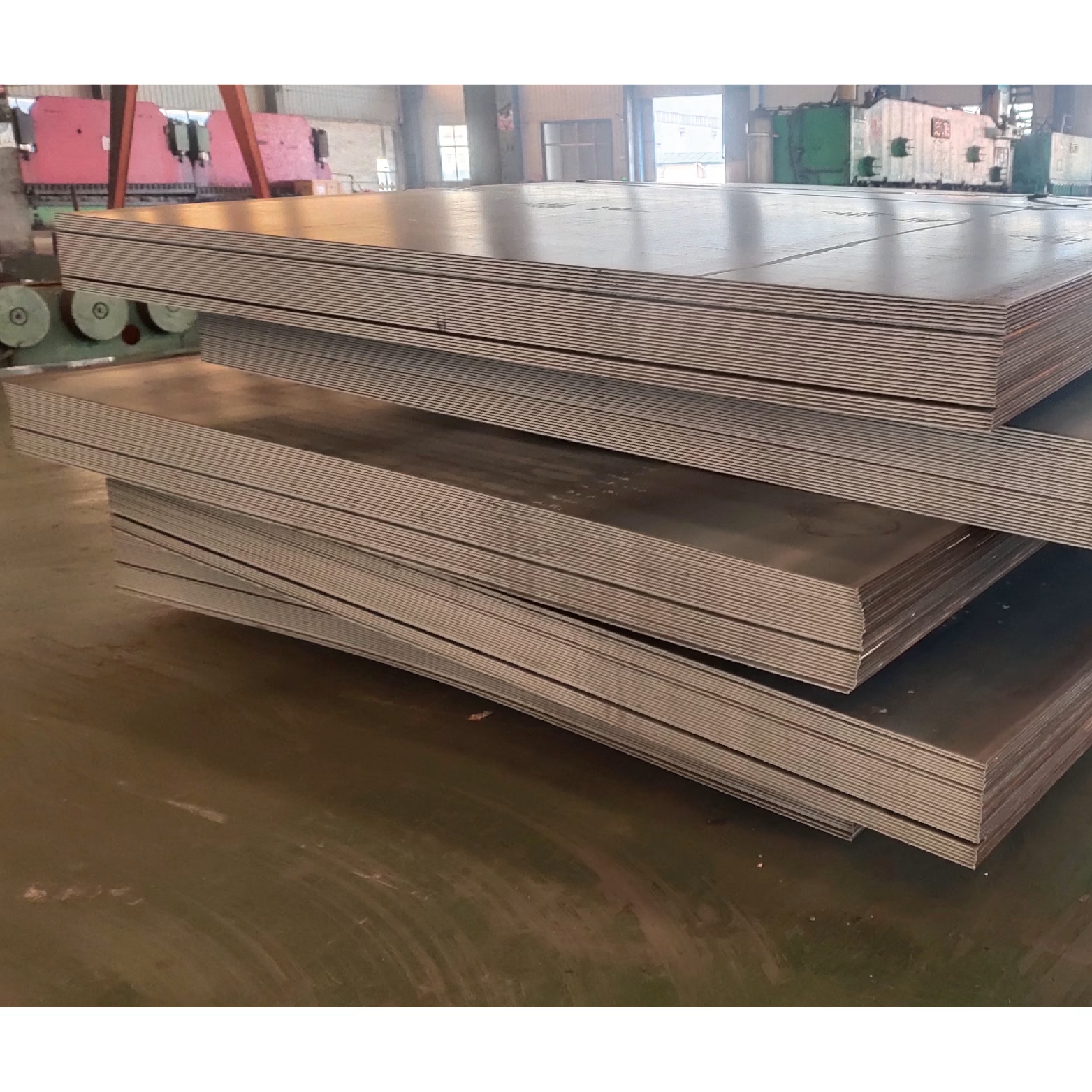
Beyond carbon content, carbon steel plates from Zhongtang are further classified by their specific industrial uses:
1. Carbon Structural Steel Plates
- Features: High durability, load-bearing capacity, and corrosion resistance to withstand heavy loads and pressure.
- Applications: Construction industry (beams, columns, bridges) and infrastructure projects—often called “construction steel plates.” Zhongtang’s structural steel plates meet the highest standards for building safety.
2. Boiler Steel Plates
- Features: Designed for high-pressure environments with low corrosion rates and heat resistance. They are often coated with chromium or nickel layers to enhance durability.
- Applications: Manufacturing boilers, pressure vessels, and heat exchangers. Zhongtang provides boiler steel plates compliant with strict industry regulations.
3. Tank Steel Plates
- Features: Excellent sealing performance and pressure resistance, adaptable to various storage media.
- Applications: Fabricating oil and gas tanks, water storage tanks, and chemical storage containers. Zhongtang offers tank steel plates tailored to different storage requirements.
4. Carbon Shipbuilding Steel Plates
- Features: Thick gauge, strict quality standards, and certification requirements to prevent defects like lamellar tearing.
- Applications: Shipbuilding, offshore oil and gas platforms, and marine engineering. Zhongtang’s shipbuilding steel plates are trusted by leading marine manufacturers.
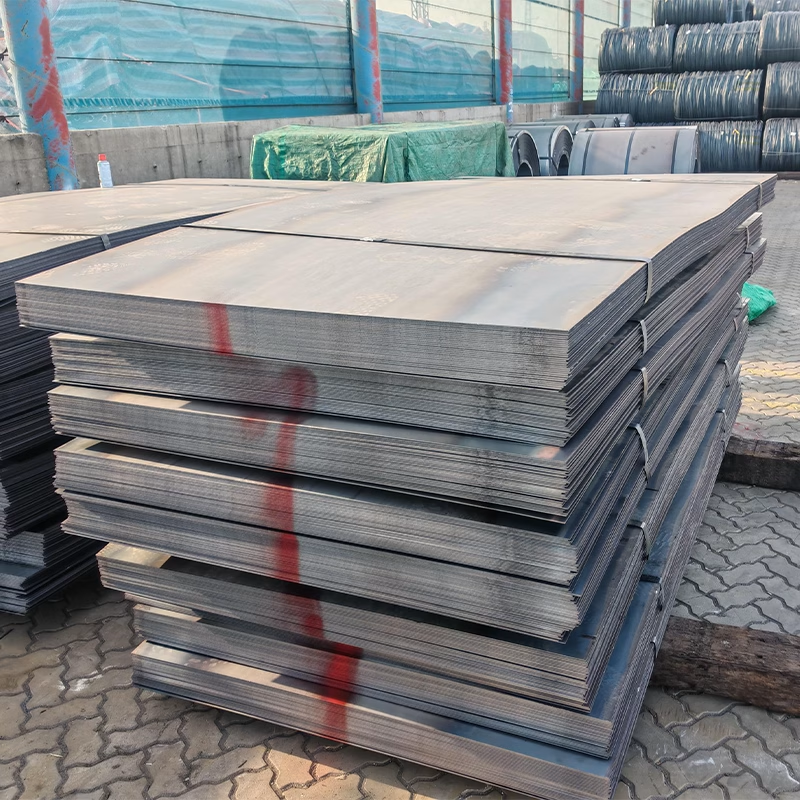
IV. Specifications and Standards at Zhongtang
1. Typical Dimensions
At Zhongtang, we provide carbon steel plates with the following specifications:
- Thickness: 0.4 mm to 80 mm
- Width: 1,000 mm to 45,000 mm
- Length: Up to 18 meters (customizable for specific needs)
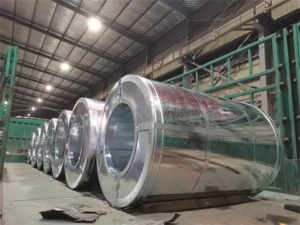
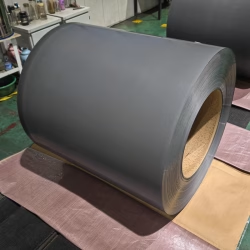
- Further Processing: Can be processed into cold-rolled steel coils for extended applications—available at Zhongtang.
2. Key Industry Standards
Zhongtang ensures all carbon steel plates adhere to international standards, including:
- ASTM A36: The most common standard for carbon structural steel plates.
- ASTM A283 (Grade A/B/C): Suitable for general structural applications.
- ASTM A516: Specifies plates for boilers and pressure vessels.
- ASTM A572: High-strength low-alloy carbon steel with higher strength than A36 and lighter weight.
- ASTM A537: Heat-treated plates for fusion-welded pressure vessels.
V. Why Choose Zhongtang Carbon Steel Plates?
- Strength and Durability: Zhongtang’s carbon steel plates offer high tensile strength, withstanding heavy loads and harsh environments.
- Cost-Effectiveness: More affordable than alloy steels, they reduce overall project costs—a key advantage of Zhongtang products.
- Weldability: Easy to weld, allowing flexible fabrication of complex structures—a standout feature of Zhongtang’s steel plates.
- Versatility: Adaptable to diverse industries through adjustable carbon content and processing methods, making Zhongtang a one-stop solution for all carbon steel needs.
Zhongtang stands as a leading provider of carbon steel plates, offering a perfect blend of performance, affordability, and adaptability. Whether for low-carbon structural components or high-carbon precision tools, Zhongtang continues to drive innovation across global industries with its premium carbon steel products.