
Introduction
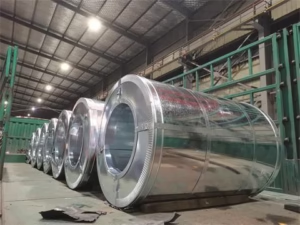
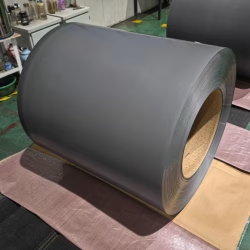
Cold rolled steel coils represent precision-engineered materials known for their exceptional dimensional accuracy and superior surface quality. Understanding the precise size specifications and tolerances of these products is crucial for manufacturers, engineers, and procurement specialists across automotive, appliance, and precision manufacturing industries. This comprehensive guide provides detailed information about cold rolled steel coil dimensions according to international standards and industry practices.
1. Standard Size Ranges
Thickness Specifications
-
Minimum Thickness: 0.18 mm
-
Maximum Thickness: 3.5 mm
-
Common Thickness Categories:
-
Ultra-thin gauge: 0.18 – 0.40 mm
-
Standard thin gauge: 0.40 – 1.0 mm
-
Medium gauge: 1.0 – 2.0 mm
-
Heavy gauge: 2.0 – 3.5 mm
-
Width Specifications
-
Minimum Width: 600 mm
-
Maximum Width: 2,000 mm
-
Standard Width Segments:
-
Narrow width: 600 – 900 mm
-
Medium width: 900 – 1,500 mm
-
Wide: 1,500 – 2,000 mm
-
Length Specifications (Sheets)
-
Minimum Length: 1,200 mm
-
Maximum Length: 6,000 mm
-
Standard Length Options:
-
Short sheets: 1,200 – 2,000 mm
-
Standard sheets: 2,000 – 4,000 mm
-
Long sheets: 4,000 – 6,000 mm
-
2. Dimensional Tolerances and Accuracy
Thickness Tolerances
The permissible thickness deviations vary according to the nominal thickness and are typically specified as:
| Thickness Range (mm) | Standard Tolerance (±mm) | Precision Tolerance (±mm) |
|---|---|---|
| 0.18 – 0.40 | 0.02 – 0.03 | 0.015 – 0.02 |
| 0.40 – 1.00 | 0.03 – 0.05 | 0.02 – 0.03 |
| 1.00 – 2.00 | 0.05 – 0.08 | 0.03 – 0.05 |
| 2.00 – 3.50 | 0.08 – 0.12 | 0.05 – 0.08 |
Width Tolerances
-
Standard width tolerance: ±1.0 mm to ±3.0 mm
-
Precision width tolerance: ±0.5 mm to ±1.5 mm
-
Tolerance generally increases with wider dimensions
Length Tolerances
-
Standard length tolerance: ±2.0 mm to ±5.0 mm
-
Precision length tolerance: ±1.0 mm to ±2.0 mm
-
Dependent on cutting method and equipment precision
3. Specialized Property Considerations
Electromagnetic Properties
-
Specific thickness ranges optimized for electrical applications
-
Controlled grain orientation for magnetic characteristics
-
Special surface treatments for electrical components
Deep Drawing Properties
-
Consistent thickness distribution for complex forming operations
-
Optimized mechanical properties for severe deformation
-
Special annealing treatments for enhanced formability
4. Application-Based Size Selection
Automotive Industry Applications
-
Recommended Thickness: 0.6 – 2.0 mm
-
Typical Width: 900 – 1,800 mm
-
Key Requirements: High surface quality, consistent gauge, excellent formability
-
Applications: Body panels, structural components, reinforcement parts
Appliance Manufacturing
-
Recommended Thickness: 0.4 – 1.5 mm
-
Typical Width: 600 – 1,500 mm
-
Key Requirements: Good surface finish, paint adhesion, corrosion resistance
-
Applications: Refrigerator cabinets, washing machine drums, oven panels
Electronics and Precision Engineering
-
Recommended Thickness: 0.18 – 1.0 mm
-
Typical Width: 600 – 1,200 mm
-
Key Requirements: Tight tolerances, excellent flatness, specific electromagnetic properties
-
Applications: Enclosures, chassis components, electromagnetic shields
Construction and General Manufacturing
-
Recommended Thickness: 1.0 – 3.5 mm
-
Typical Width: 1,000 – 2,000 mm
-
Key Requirements: Good strength, weldability, consistent dimensions
-
Applications: Architectural panels, furniture, general fabrications
5. Quality Assurance and Inspection
Dimensional Verification Methods
-
Laser measurement systems for thickness profiling
-
Optical width measurement and edge inspection
-
Automated length measurement systems
-
Flatness and shape measurement technology
Surface Quality Assessment
-
Visual inspection under controlled lighting
-
Surface roughness measurement
-
Coating adhesion testing (if applicable)
-
Defect classification and documentation
Certification Requirements
-
Mill test certificates with actual dimensions
-
Statistical process control data
-
Third-party inspection reports
-
Customer-specific quality documentation
6. Manufacturing and Processing Considerations
Coil Handling and Storage
-
Maximum coil weights based on thickness and width
-
Proper stacking procedures to prevent damage
-
Environmental protection requirements
-
Identification and tracking systems
Downstream Processing
-
Slitting capabilities for width adjustment
-
Blanking and cutting operations
-
Forming and stamping considerations
-
Welding and joining requirements
7. Industry Standards and Compliance
International Standard References
-
Thickness tolerances per relevant national standards
-
Width and length specifications according to application requirements
-
Surface quality classifications based on end-use applications
-
Testing and certification following international protocols
Custom Size Availability
-
Special thicknesses outside standard ranges
-
Custom widths for specific applications
-
Special length requirements
-
Tailored tolerances for precision applications
8. Technical Specifications Summary
| Parameter | Specification Range | Tolerance Guidelines | Application Notes |
|---|---|---|---|
| Thickness | 0.18 – 3.5 mm | ±0.02 – ±0.12 mm | Varies with thickness range |
| Width | 600 – 2,000 mm | ±1.0 – ±3.0 mm | Dependent on width dimension |
| Length | 1,200 – 6,000 mm | ±2.0 – ±5.0 mm | Sheet products only |
| Coil ID | 508 – 610 mm | Standard mill practice | Handling requirements |
| Coil OD | 800 – 2,000 mm | Maximum handling limits | Transportation constraints |
Conclusion
The precise dimensional specifications of cold rolled steel coils—ranging from 0.18 mm to 3.5 mm in thickness and 600 mm to 2,000 mm in width—make them ideal for applications requiring high accuracy and superior surface quality. Understanding these size parameters, along with their associated tolerances and special properties, enables optimal material selection for various industrial applications.
The comprehensive size range available, combined with tight dimensional controls and specialized properties, provides engineers and designers with versatile options for creating high-quality products across multiple industries. As manufacturing technologies continue to advance, these specifications will evolve to meet increasingly demanding application requirements while maintaining the fundamental quality standards that define cold rolled steel products.
Proper selection and application of cold rolled steel coils based on their dimensional characteristics contribute significantly to product quality, manufacturing efficiency, and ultimate performance in service.