
Introduction
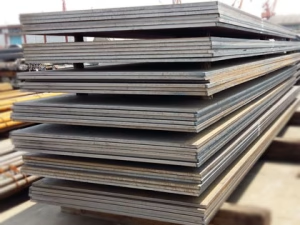
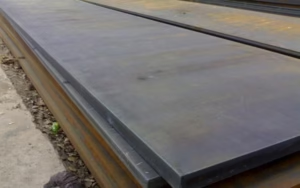
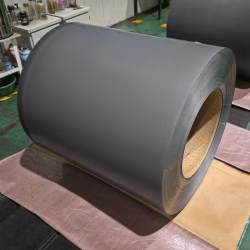
Boiler and vessel steel plates, commonly referred to as pressure vessel steel plates, represent specialized materials engineered for manufacturing boilers, pressure vessels, and storage tanks. These plates are specifically designed to withstand high temperatures and extreme pressure conditions, ensuring safe operation in demanding industrial environments. This guide explores the international standards governing these critical materials across major industrial regions.
1. Chinese Standards (GB)
China’s standardization system provides comprehensive specifications for boiler and vessel steel plates through two primary standards:
GB 713-2014: Steel Plates for Boilers and Pressure Vessels
-
Specifies requirements for steel plates used in boilers and pressure vessels operating at moderate and elevated temperatures
-
Key grades include: Q245R, Q345R, Q370R, 15CrMoR, 14Cr1MoR, 12Cr2Mo1R
GB 3531-2014: Steel Plates for Low-Temperature Pressure Vessels
-
Governs materials for pressure vessels operating at sub-zero temperatures
-
Important grades: 16MnDR, 09MnNiDR, 15MnNiDR, 12MnNiVR
2. American Standards (ASTM)
The United States employs ASTM standards that are widely recognized and implemented globally:
ASTM A516/A516M
-
Covers carbon steel plates for pressure vessels for moderate and lower-temperature service
-
Common grades: SA516 Gr60, Gr65, Gr70
-
Suitable for welded pressure vessels where improved notch toughness is important
ASTM A387/A387M
-
Specifies alloy steel plates for pressure vessels primarily for high-temperature service
-
Key grades: SA387 Gr11, Gr12, Gr22
-
Designed for service where high-temperature strength and resistance to hydrogen attack are required
3. British and European Standards
The United Kingdom follows both British Standards and European Norms:
BS 1501-1
-
Technical specification for flat carbon steel plates for boilers and pressure vessels
-
Traditional British standard with specific application requirements
BS EN 10028-2
-
European standard for flat products made of steels for pressure purposes
-
Specifies requirements for non-alloy and alloy steels with specified elevated temperature properties
-
Common grades: P265GH, P295GH, P355GH, P460NH
4. Japanese Standards (JIS)
Japan’s industrial standards are recognized for their rigorous quality requirements:
JIS G3115
-
Standard specification for heat-resistant steel plates used in pressure vessel manufacturing
-
Ensures materials maintain integrity under high-temperature conditions
JIS G3103
-
Covers carbon steel and molybdenum steel plates for boilers and pressure vessels
-
Key grades: SB410, SPV355, SB450
5. German Standards
Germany contributes significantly to pressure vessel technology with specialized grades:
Common German Grades:
-
19Mn6: For moderate temperature pressure vessel applications
-
15Mo3: Molybdenum-alloyed steel for elevated temperature service
Comparative Analysis of Steel Grades
| Country/Region | Standard | Key Grades | Primary Applications |
|---|---|---|---|
| China | GB 713-2014 | Q245R, Q345R, Q370R | General pressure vessels, boilers |
| China | GB 3531-2014 | 16MnDR, 09MnNiDR | Low-temperature pressure vessels |
| USA | ASTM A516/A516M | SA516 Gr60/65/70 | Moderate and low-temperature service |
| USA | ASTM A387/A387M | SA387 Gr11/12/22 | High-temperature service |
| Europe | BS EN 10028-2 | P265GH, P355GH, P460NH | General pressure purposes |
| Japan | JIS G3115, G3103 | SB410, SPV355, SB450 | Boilers and pressure vessels |
| Germany | – | 19Mn6, 15Mo3 | Specialized pressure applications |
Selection Considerations
Temperature Requirements:
-
Low-temperature applications (below -20°C): GB 3531-2014 grades, ASTM A516
-
Moderate temperature service: GB 713-2014 grades, ASTM A516
-
High-temperature applications: ASTM A387, JIS G3115 grades
Pressure Conditions:
-
Medium pressure vessels: Q245R, SA516 Gr60, P265GH
-
High-pressure applications: Q345R, SA516 Gr70, P355GH
-
Ultra-high pressure: Q370R, P460NH
Corrosion Considerations:
-
General service: Carbon steel grades
-
Corrosive environments: Alloy steel grades (15CrMoR, SA387 Gr11)
Fabrication Requirements:
-
Welding considerations: Grades with improved weldability
-
Forming operations: Materials with enhanced formability
Quality Assurance and Testing
All boiler and vessel steel plates must undergo rigorous testing procedures:
-
Chemical composition analysis
-
Mechanical property testing (tensile, yield strength, elongation)
-
Impact testing at specified temperatures
-
Non-destructive testing (ultrasonic examination)
-
Heat treatment verification
-
Dimensional tolerance checks
Global Compliance and Certification
Manufacturers and users must ensure compliance with:
-
Local regulatory requirements
-
International classification society rules
-
Customer-specific specifications
-
Industry-specific codes (ASME, PED, etc.)
Conclusion
Understanding the various international standards for boiler and vessel steel plates is crucial for engineers, designers, and procurement specialists working in the pressure equipment industry. Each standard system offers specific advantages for different applications, temperature ranges, and service conditions. By selecting the appropriate standard and grade based on specific project requirements, stakeholders can ensure the safety, reliability, and longevity of pressure-containing equipment in various industrial applications.
The continuous evolution of these standards reflects advancing material technology and growing understanding of pressure vessel performance requirements, ultimately contributing to enhanced safety and efficiency in industrial operations worldwide.