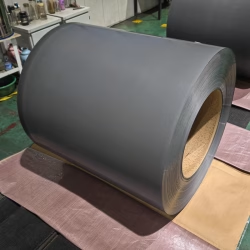

Bridge steel plates are critical components in modern infrastructure projects, requiring stringent quality standards and precise manufacturing specifications. These specialized structural materials must withstand dynamic loads, environmental challenges, and ensure long-term safety. This comprehensive guide explores the international standards governing bridge steel plates across major industrial regions, providing essential information for engineers, contractors, and procurement specialists.
Chinese Standards (GB/T)
GB/T 714-2015: Structural Steel for Bridge
This fundamental Chinese standard specifies requirements for structural steel plates used in bridge construction with specific dimensional limitations:
-
Application Scope:
-
Structural steel plates for bridges with thickness ≤ 150mm
-
Structural steel strips and shear steel plates for bridges with thickness ≤ 25.4mm
-
Structural steel for bridges with thickness ≤ 40mm
-
-
Key Features:
-
Focuses on weldability and impact toughness
-
Ensures consistent performance in various environmental conditions
-
Includes comprehensive testing requirements for bridge applications
-
GB/T 1591-2018: High Strength Low Alloy Structural Steels
This standard complements bridge-specific specifications by providing guidelines for high-strength materials:
-
Application Scope:
-
Low-alloy high-strength structural steel plates, strips, sections, and bars
-
Suitable for general structures and engineering applications
-
Chemical composition requirements applicable to steel billets
-
-
Advantages:
-
Enhanced strength-to-weight ratio
-
Improved atmospheric corrosion resistance
-
Excellent fabrication characteristics
-
American Standards (ASTM)
ASTM A709/A709M-18: Standard Specification for Structural Steel for Bridges
This comprehensive standard is widely recognized in North American bridge projects:
-
Scope: Covers structural steel plates and strips specifically for bridge structures
-
Grade Classification: Includes grades 36, 50, 50W, 70W, 100, and 100W
-
Key Requirements:
-
Toughness testing for fracture-critical applications
-
Weathering steel grades for enhanced corrosion resistance
-
Strict chemical composition controls
-
ASTM A572/A572M-18: High-Strength Low-Alloy Columbium-Vanadium Structural Steel
This specification provides additional options for high-strength applications:
-
Application: Bridge structures requiring enhanced strength characteristics
-
Grade Availability: Multiple strength levels (42, 50, 55, 60, 65)
-
Manufacturing: Utilizes columbium-vanadium microalloying for strength improvement
British and European Standards
BS EN 10025-2:2004: Hot Rolled Products of Structural Steels
This European standard establishes fundamental requirements for structural steels:
-
Scope: Technical delivery conditions for non-alloy structural steels
-
Bridge Applications: Specifically suitable for bridge structures
-
Key Features:
-
Comprehensive quality assurance requirements
-
Mechanical property specifications
-
Testing and certification protocols
-
BS EN 10210-1:2006: Hot Finished Structural Hollow Sections
This standard complements plate specifications with requirements for structural sections:
-
Application: Non-alloy and fine grain steels for structural applications
-
Bridge Usage: Applicable to bridge structures using hollow sections
-
Technical Requirements: Detailed delivery condition specifications
Japanese Standards (JIS)
JIS G3106-2008: Rolled Steels for Welded Structure
This Japanese standard focuses on weldable structural steels:
-
Scope: Hot-rolled steel plates and strips for structural applications
-
Bridge Suitability: Specifically designed for welded bridge structures
-
Key Characteristics:
-
Excellent weldability without pre-heating
-
Good notch toughness
-
Consistent mechanical properties
-
JIS G3101-2019: Rolled Steels for General Structure
This standard provides broader structural steel requirements:
-
Application: General structure steel plates applicable to bridge construction
-
Coverage: Includes both plates and strips for structural use
-
Quality Assurance: Comprehensive testing and certification requirements
Comparative Analysis
Material Property Requirements
Each standard system emphasizes different aspects of material performance:
-
Chinese Standards: Focus on comprehensive mechanical properties and weldability
-
American Standards: Emphasize toughness and weathering characteristics
-
European Standards: Prioritize consistent quality and delivery conditions
-
Japanese Standards: Highlight weldability and uniform properties
Certification and Testing
All standards require rigorous testing protocols including:
-
Tensile testing for strength verification
-
Impact testing for toughness assessment
-
Chemical analysis for composition control
-
Non-destructive testing for quality assurance
Global Acceptance
-
ASTM Standards: Widely accepted in North and South America
-
EN Standards: Mandatory in European Union projects
-
GB Standards: Increasing international recognition
-
JIS Standards: Respected for quality in Asian markets
Selection Considerations
Project Requirements
-
Local regulatory compliance
-
Environmental conditions
-
Design life expectations
-
Maintenance considerations
Fabrication Factors
-
Welding procedures and requirements
-
Forming and cutting operations
-
Erection methodologies
-
Inspection protocols
Economic Considerations
-
Material availability
-
Fabrication costs
-
Life-cycle maintenance expenses
-
Project timeline constraints
Industry Trends and Developments
Sustainability Focus
-
Increased use of weathering steels
-
Development of higher strength grades
-
Enhanced recyclability requirements
Technological Advancements
-
Improved fracture toughness
-
Better weldability characteristics
-
Enhanced corrosion resistance
-
Digital quality documentation
Conclusion
Understanding international standards for bridge steel plates is crucial for successful global infrastructure projects. Each standardization system offers unique advantages while maintaining fundamental requirements for safety and performance. By carefully considering project requirements, environmental conditions, and local regulations, engineers can select the most appropriate standard and material grade for their specific bridge applications.
The continuous evolution of these standards reflects advancing material science and growing understanding of long-term bridge performance, ultimately contributing to safer and more durable infrastructure worldwide.