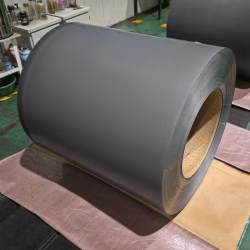

Introduction
Low Alloy High Strength Steel Plates (HSLA) represent a specialized category of structural materials engineered to deliver superior mechanical properties while maintaining excellent weldability and formability. These advanced steel plates are governed by rigorous international standards that ensure consistent quality, performance, and safety across global markets. Understanding these diverse standardization systems is essential for engineers, designers, and procurement specialists working on critical infrastructure projects worldwide.
1. Chinese Standards (GB/T)
GB/T 1591-2018: High Strength Low Alloy Structural Steels
This comprehensive standard establishes the fundamental requirements for high-strength low-alloy structural steels in China’s rapidly growing construction and manufacturing sectors.
-
Application Scope:
-
Low-alloy high-strength structural steel plates, strips, sections, and bars
-
General structures and engineering applications
-
Chemical composition requirements applicable to steel billets
-
-
Key Features:
-
Multiple strength grades with specified yield strengths
-
Enhanced toughness requirements for various service temperatures
-
Strict control of alloying elements for optimal performance
-
GB/T 3274-2017: Hot-Rolled Steel Plates and Strips
This standard provides general specifications for hot-rolled products that form the foundation for specialized HSLA applications.
-
Application Scope:
-
Hot-rolled steel sheets and strips of carbon structural and low-alloy structural steels
-
Maximum thickness: 400mm
-
Broad industrial applications with specific strength requirements
-
2. American Standards (ASTM)
ASTM A572/A572M-18: High Strength Low Alloy Steels for Building Construction
This widely recognized standard specifies requirements for high-strength low-alloy steel plates primarily used in building construction.
-
Key Characteristics:
-
Multiple strength grades (42, 50, 55, 60, 65)
-
Columbium-vanadium microalloying for strength enhancement
-
Excellent weldability and formability
-
ASTM A709/A709M-18: Structural Steel for Bridges
Specifically developed for bridge construction, this standard includes both carbon and high-strength low-alloy steels.
-
Application Features:
-
Grades 36, 50, 50W, 70W, 100, and 100W
-
Weathering steel grades for enhanced corrosion resistance
-
Fracture-critical requirements for safety-critical applications
-
ASTM A514/A514M-18: High Strength Alloy Steel Plates
This specification covers high-strength alloy steel plates primarily used in structural and mechanical applications.
-
Performance Characteristics:
-
Quenched and tempered condition
-
High yield strength requirements
-
Suitable for welded construction
-
3. British and European Standards
BS EN 10025-2: Technical Delivery Conditions of Structural Steel
This European standard establishes fundamental requirements for hot-rolled structural steel products.
-
Scope and Application:
-
Non-alloy structural steels for various applications
-
Comprehensive quality assurance requirements
-
Standardized testing and certification protocols
-
BS EN 10025-6: High Strength Low Alloy Steels
Specifically addresses high-strength low-alloy structural steels in thermomechanical rolled condition.
-
Key Features:
-
Enhanced strength through thermomechanical processing
-
Improved weldability characteristics
-
Multiple strength grades for different applications
-
BS EN 10149-2: Cold-Rolled Steel Plates and Strips
This standard covers technical delivery conditions for cold-rolled hot-rolled steel plates and strips.
-
Application Benefits:
-
Precise dimensional tolerances
-
Enhanced surface quality
-
Superior forming characteristics
-
4. Japanese Standards (JIS)
JIS G3101: General-Purpose Hot-Rolled Weldable Structural Steel
This fundamental Japanese standard provides requirements for general-purpose structural steels.
-
Key Specifications:
-
Multiple strength categories
-
Good weldability and formability
-
Reliable performance in various structural applications
-
JIS G3106: Hot Rolled Weldable High Strength Steel Sheets and Strips
Specifically designed for weldable high-strength steel applications.
-
Performance Features:
-
Enhanced strength with maintained weldability
-
Consistent mechanical properties
-
Suitable for demanding structural applications
-
JIS G3114: Hot Rolled Atmospheric Corrosion Resistant Structural Steels
Addresses steels with improved atmospheric corrosion resistance.
-
Application Advantages:
-
Extended service life in corrosive environments
-
Reduced maintenance requirements
-
Suitable for exposed structural applications
-
5. Global Standardization Trends and Harmonization
Convergence of Requirements
-
Increasing alignment between national standards and international ISO specifications
-
Mutual recognition of testing and certification protocols
-
Harmonized safety factors and design methodologies
Performance-Based Specifications
Modern standards increasingly emphasize performance characteristics rather than prescribing specific manufacturing methods, allowing for innovation while maintaining quality and safety.
Sustainability Considerations
-
Emphasis on recyclability and environmental impact
-
Development of more energy-efficient manufacturing processes
-
Compliance with global environmental regulations
6. Selection Guidelines by Application
Building Construction
-
Primary standards: ASTM A572, GB/T 1591
-
Key considerations: Strength, weldability, cost-effectiveness
-
Typical applications: Frames, supports, structural components
Bridge Engineering
-
Primary standards: ASTM A709, JIS G3106
-
Key considerations: Fatigue resistance, toughness, corrosion resistance
-
Special requirements: Fracture-critical applications
Heavy Equipment and Machinery
-
Primary standards: ASTM A514, BS EN 10025-6
-
Key considerations: High strength, impact resistance, wear characteristics
Architectural and Exposed Applications
-
Primary standards: JIS G3114, ASTM A709 (weathering grades)
-
Key considerations: Corrosion resistance, aesthetic requirements
7. Quality Assurance and Certification
Mandatory Testing Requirements
-
Chemical composition analysis
-
Mechanical property testing (tensile, yield strength, elongation)
-
Impact toughness evaluation
-
Non-destructive testing for critical applications
Certification Protocols
-
Mill test certificates with full traceability
-
Third-party inspection and verification
-
Compliance with relevant construction codes
-
Regular audit and requalification requirements
8. Comparative Analysis of Key Standards
| Standard | Primary Application | Key Features | Strength Range |
|---|---|---|---|
| GB/T 1591-2018 | General structures | Comprehensive grade system | 235-690 MPa |
| ASTM A572/A572M | Building construction | Cost-effective strength | 290-450 MPa |
| ASTM A709/A709M | Bridge construction | Weathering grades available | 250-690 MPa |
| BS EN 10025-6 | Various structures | Thermomechanical rolling | 355-460 MPa |
| JIS G3106 | Welded structures | Balanced properties | 400-490 MPa |
9. Future Developments and Industry Trends
Advanced Material Technologies
-
Development of next-generation microalloyed steels
-
Improved strength-toughness combinations
-
Enhanced corrosion resistance technologies
Digital Integration and Traceability
-
Digital product passports and quality documentation
-
Blockchain technology for supply chain transparency
-
Automated quality control systems
Environmental and Sustainability Initiatives
-
Reduced carbon footprint manufacturing processes
-
Enhanced recyclability and circular economy principles
-
Compliance with evolving environmental regulations
Conclusion
The landscape of international standards for Low Alloy High Strength Steel Plates reflects both regional industrial priorities and the ongoing global harmonization of quality and safety requirements. While GB/T, ASTM, BS EN, and JIS standards each maintain their distinctive characteristics, they collectively ensure that HSLA steel plates deliver consistent performance and reliability across diverse applications worldwide.
Understanding these standardization systems enables engineering professionals to make informed material selection decisions, ensure regulatory compliance, and optimize project outcomes. As global infrastructure demands continue to evolve, these standards will progressively incorporate new technological advancements while maintaining the fundamental principles of safety, quality, and performance that define excellence in structural steel applications.
The continuous development and refinement of international standards for Low Alloy High Strength Steel Plates ultimately contribute to safer, more efficient, and more sustainable built environments across all sectors of global infrastructure development.