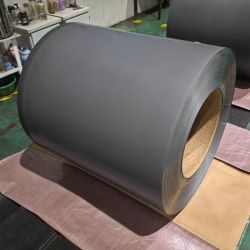
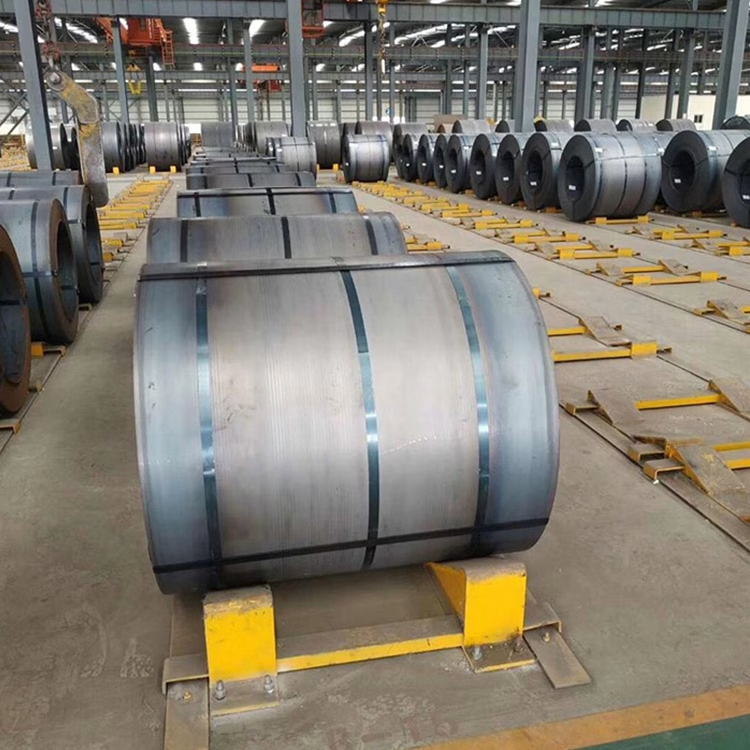
When sourcing steel coils for your project, one of the most fundamental decisions is choosing between hot-rolled and cold-rolled steel. Both types have distinct properties, manufacturing processes, and applications. This guide will help you understand the key differences and select the best option for your needs.
1. Key Differences at a Glance
| Feature | Hot-Rolled Steel Coil | Cold-Rolled Steel Coil |
|---|---|---|
| Production Process | Rolled at 1700°F+ | Processed at room temperature |
| Surface Finish | Rough, scaled surface | Smooth, polished finish |
| Dimensional Tolerance | ±0.01 inch | ±0.001 inch |
| Strength | Lower yield strength | 20% stronger (work-hardened) |
| Cost | 15-20% cheaper | More expensive |
| Common Uses | Structural beams, pipes | Appliances, automotive panels |
2. Detailed Comparison
A) Manufacturing Process
- Hot-Rolled Steel Coil
- Heated above recrystallization temperature (~1700°F)
- Passed through rollers while malleable
- Air-cooled, resulting in mill scale
- Cold-Rolled Steel Coil
- Processed from hot-rolled coils at room temperature
- Additional annealing/tempering for precise properties
- Surface treatments (e.g., pickling) remove imperfections
B) Mechanical Properties
- Hot-Rolled
- Tensile Strength: 400-550 MPa
- Better for welding (lower carbon content)
- Explore our hot-rolled steel coil collection for detailed specifications.
- Cold-Rolled
- Tensile Strength: 550-700 MPa
- Superior dimensional stability
- Browse our cold-rolled steel coil selection to check available options.
C) Surface Quality
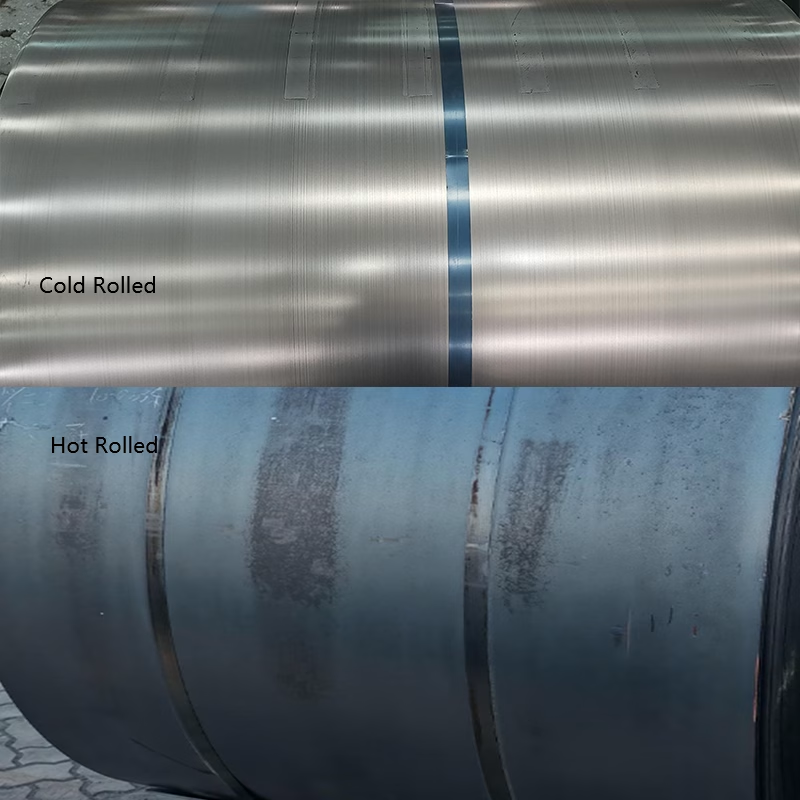
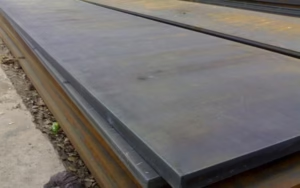
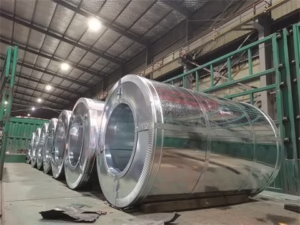
Hot-rolled (down) has characteristic scaling; cold-rolled (up) offers mirror-like finishes. View more steel coil images in our product gallery.
3. When to Choose Each Type
Hot-Rolled Steel Coil is Ideal For:
- Structural applications (I-beams, railroad tracks)
- Projects requiring cost-efficiency over precision
- Environments where surface finish isn’t critical
- Check out our hot-rolled steel coil for construction for structural projects.
Cold-Rolled Steel Coil is Better For:
- Precision parts (automotive panels, electronics)
- Applications needing smooth surfaces (appliance exteriors)
- Situations requiring tight tolerances (±0.001″)
- Discover our precision cold-rolled steel coils for high-accuracy needs.
4. Cost Considerations
While cold-rolled coils cost 20-30% more, they may reduce secondary processing expenses:
- Hot-rolled often requires additional grinding/polishing
- Cold-rolled’s precision can minimize material waste
Example: Using cold-rolled steel for appliance manufacturing may lower painting costs due to its smoother surface. Get a custom quote for your specific project requirements.
5. Industry-Specific Recommendations
| Industry | Recommended Type | Why |
|---|---|---|
| Construction | Hot-rolled | Cost-effective for structural loads |
| Automotive | Cold-rolled | Precision for body panels |
| HVAC Ductwork | Hot-rolled galvanized | Corrosion resistance + affordability |
| Furniture | Cold-rolled | Aesthetic surface quality |
Explore our industry-specific steel solutions for more tailored options.
6. FAQs
Q: Can cold-rolled steel replace hot-rolled?
A: Only if strength requirements allow—cold-rolling increases hardness but reduces ductility. Read our detailed FAQ for more answers.
Q: How to identify them visually?
A: Hot-rolled has a blue-gray oxidized layer; cold-rolled appears shiny and smooth.
Q: Which is more environmentally friendly?
A: Hot-rolling consumes less energy overall, but cold-rolling’s precision reduces material waste.
7. Conclusion
Choosing between hot- and cold-rolled steel coils depends on your project’s:
- Budget (hot-rolled saves costs)
- Precision needs (cold-rolled offers tighter tolerances)
- Surface requirements (cold-rolled for aesthetic finishes)
Need help selecting? Contact our steel experts for personalized advice or browse our steel coil inventory to compare options.
You Might Also Like:
- Galvanized vs. Prepainted Steel: Which Should You Choose?
- Carbon Steel Coil Grades Explained: SPHC vs Q235
- 5 Key Factors Affecting Steel Coil Prices in 2024
Optimized Keywords: hot rolled steel coil, cold rolled steel coil difference, best steel coil for construction, steel coil selection guide, hot vs cold rolled steel price